|
|
|
|
|
|
|
|
Orbit Special Modules
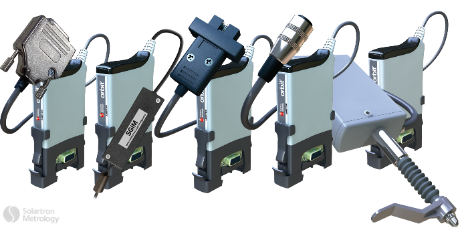
The Orbit Network can do more than just interface to Solartron digital displacement transducers (Digital Gauging probes). There are a number of additional modules that facilitate using other sensors.
|
|
|
 |
|
-
 Analogue Input Module Analogue Input Module
-
Encoder Input Module
-
Input Module
-
Digital Input Output Module
-
Strain gauge Input Module
|
|
|
|
|
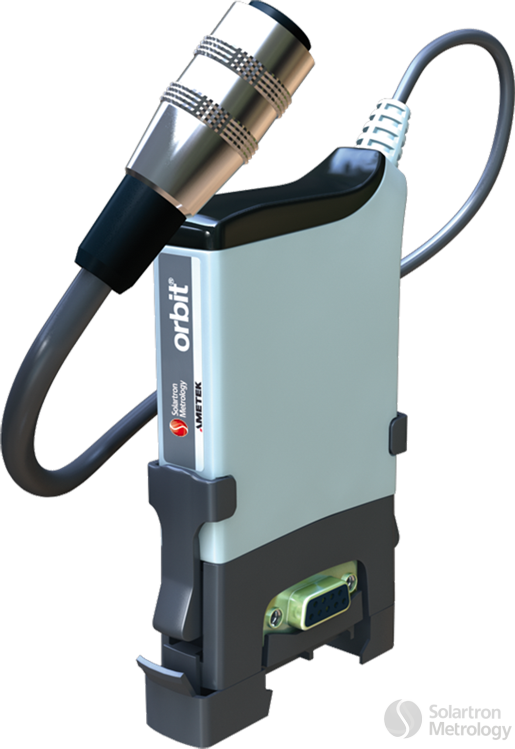
The Analogue Input Module (AIM) allows the Orbit network to be interfaced with a wide range of sensors that have current or voltage output.
This module is factory configured to take in either voltage or current signals so for example it provides a ay to interface to sensors with a 4-20 mA current output.
|
 |
|
-
Force sensors
-
Load Cells
-
Pressure sensors
-
PT100 Temperature sensors
|
|
|
|
Digital Input/ Output Module (DIOM)
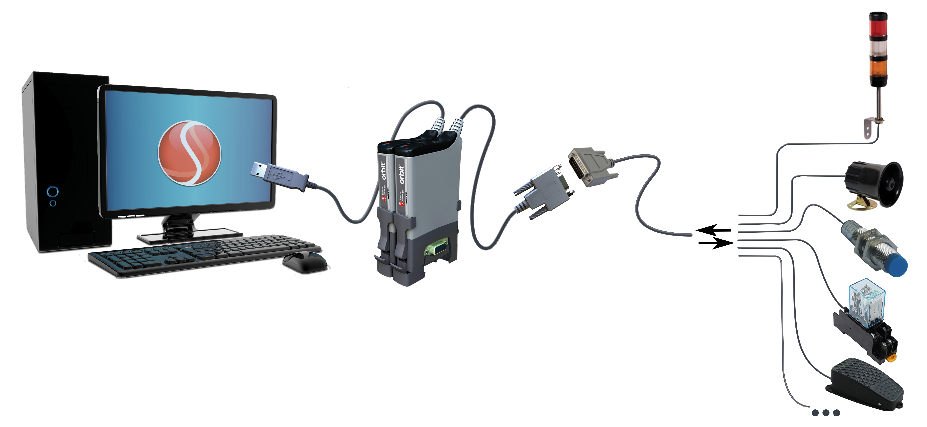
The Digital Input/ Output Module (DIOM) allows the Orbit network to be interfaced with discrete inputs, such as micro switches or proximately sensors which can be used to trigger a set of measurements. The output signals from the DIOM can be used interface to external components like relays or indicators to control a process or indicate a measured part is in or out of tolerance.
The Digital Input Output Module (DIOM) provides a means of reading external discrete signals like switches and can be used to control external elements like relays or alarms.
|
|
|
 |
|
-
Cost effective
-
Up to 6 inputs and 4 outputs
-
Controlled by Orbit Digital Measurement Network
-
Connect Multiple Modules
-
User friendly
-
DIN Rail Mounting for easy installation
|
|
|
|
|
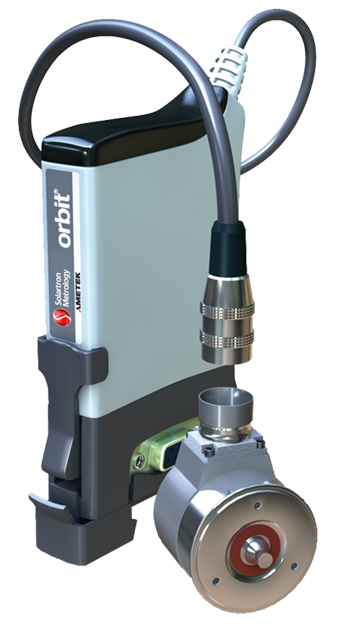
The Encoder Input Module (EIM) provides a simple interface to incremental rotary encoders or linear encoders. This is especially useful when building machines to measure parts like camshafts, making profiling easy to achieve. The EIM can also be used as the controller for high speed data collection where it is critical to synchronize measurements with position on a rotating part.
The Encoder Input Module (EIM) can be connected to rotary encoders with an industry standard square wave quadrature output. This brings in rotational land angular position and when used in conjunction with high speed data capture can be used to measure synchronised points on a shaft for profiling.
|
|
|
|
|
Strain Gauge Input Module (SGIM)
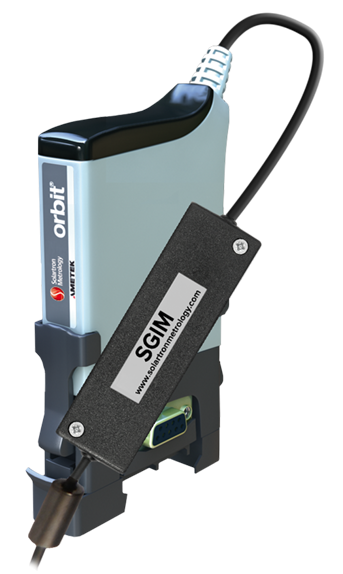
Strain Gauge Input Module (SGIM) is designed to connect to any common strain gauge
The Strain Gauge Interface Module (SGIM) allows connectivity of devices such as load cells.
|
|
|
|
|
Digimatic Input Module DIM
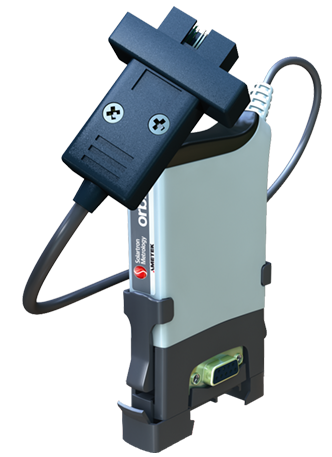
Digimatic Input Module (DIM) is designed to connect to ant Digital gauge with a Digimatic Output, allowing hand tools to be integrated into the Orbit Networks
The Digital Input Output Module (DIOM) provides a means of reading external discrete signals like switches and can be used to control external elements like relays or alarms.
|
|
|
|
|
|
|
|
|
|
|
|
|
|
|
Orbit® Digital Measuring Probes
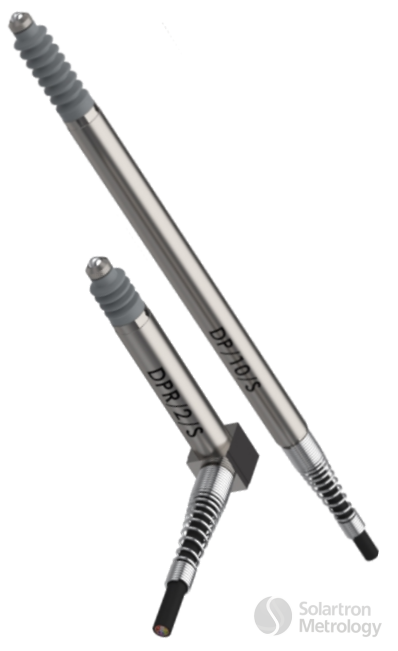
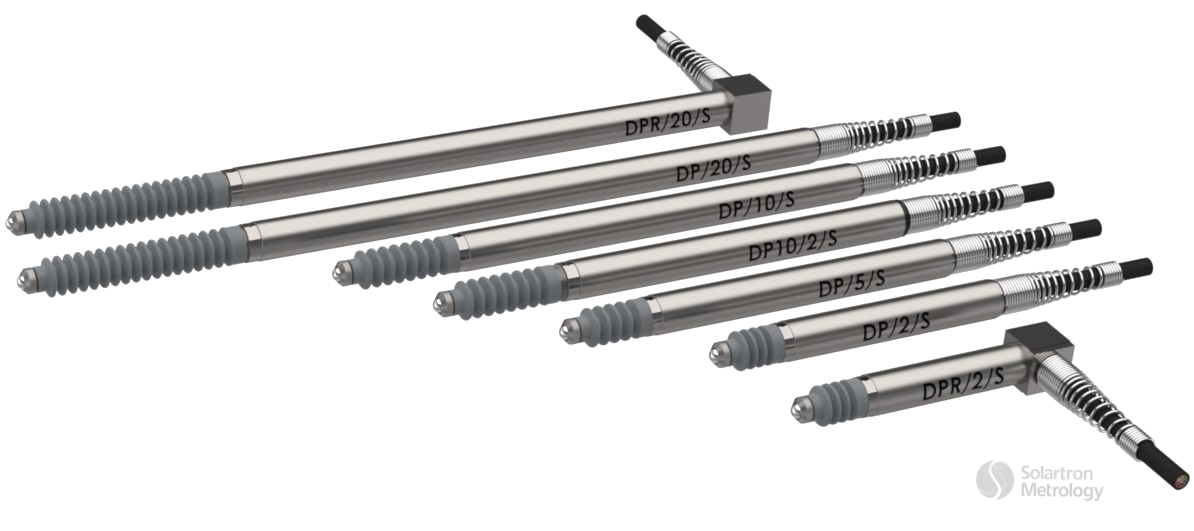
Contact gauge probes often provide the most cost effective solution for a wide range of measuring and positioning applications. These have excellent sideload capabilities and can last over 100 million cycles.
|
|
|
|
|
|
|
|
|
|
|
|
|
|
|
|
|
|
|
|
|
|
Orbit® Interface Modules/PLC Gateways
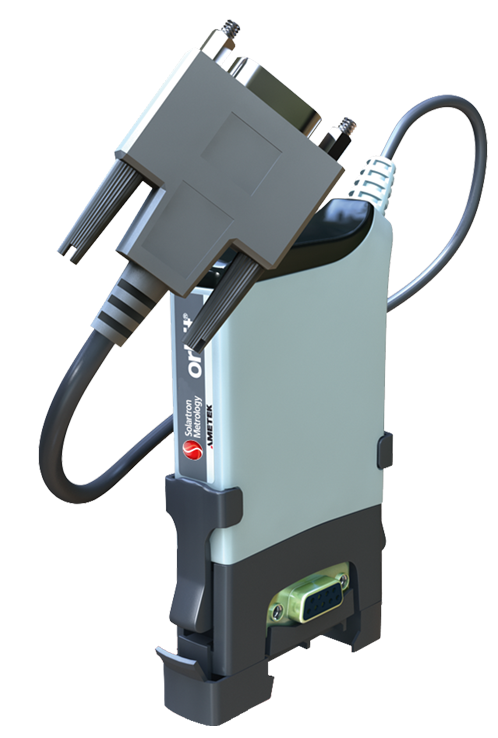
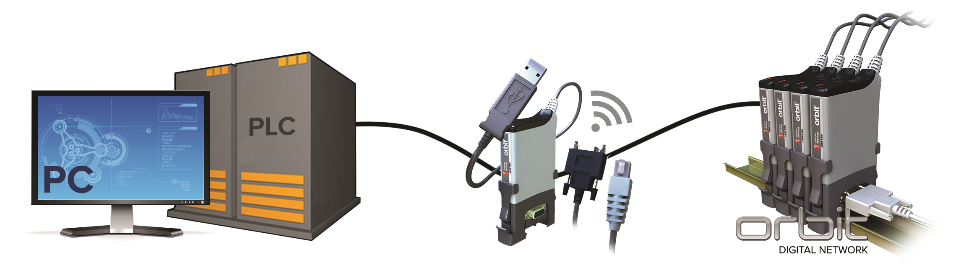
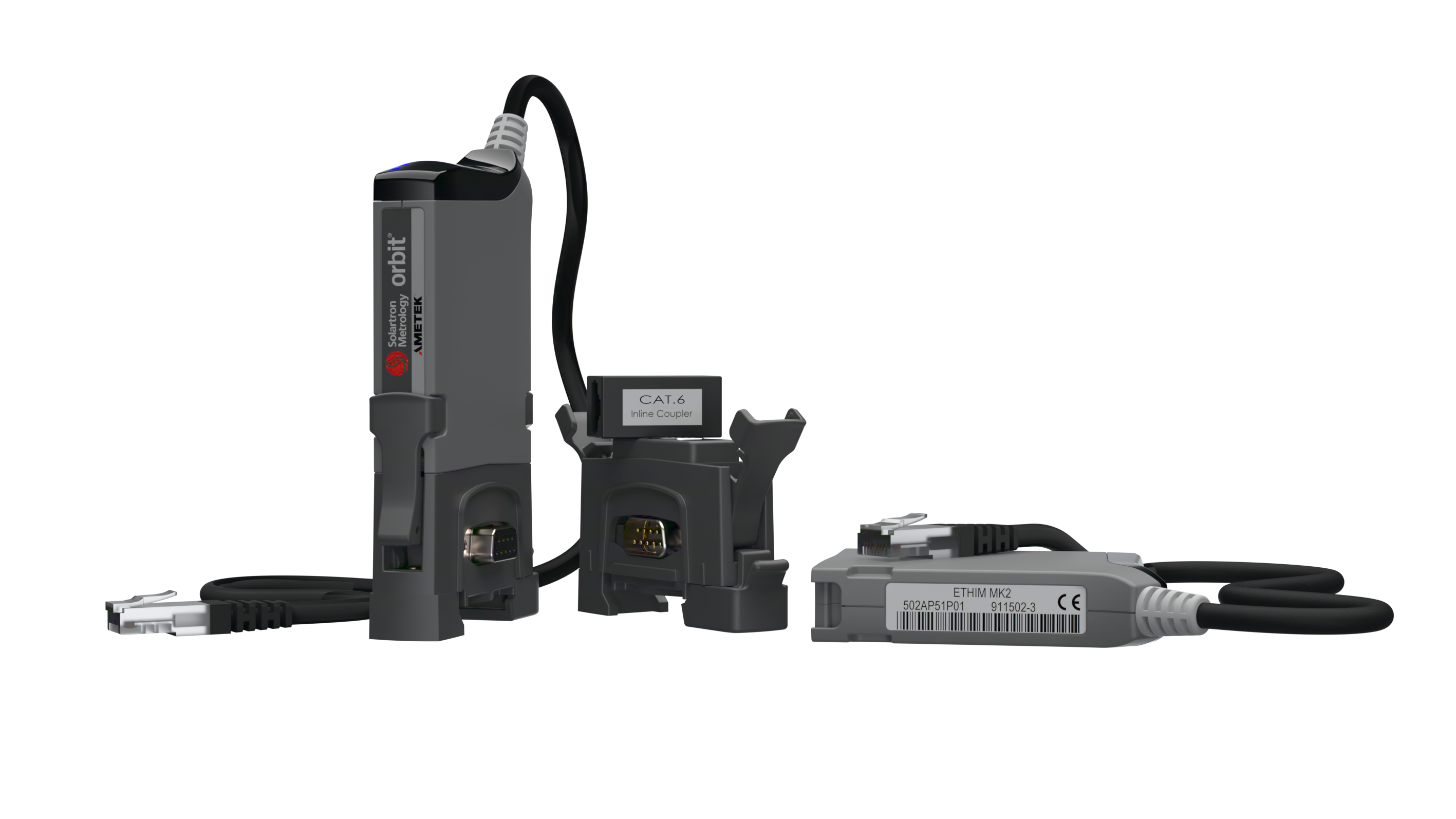
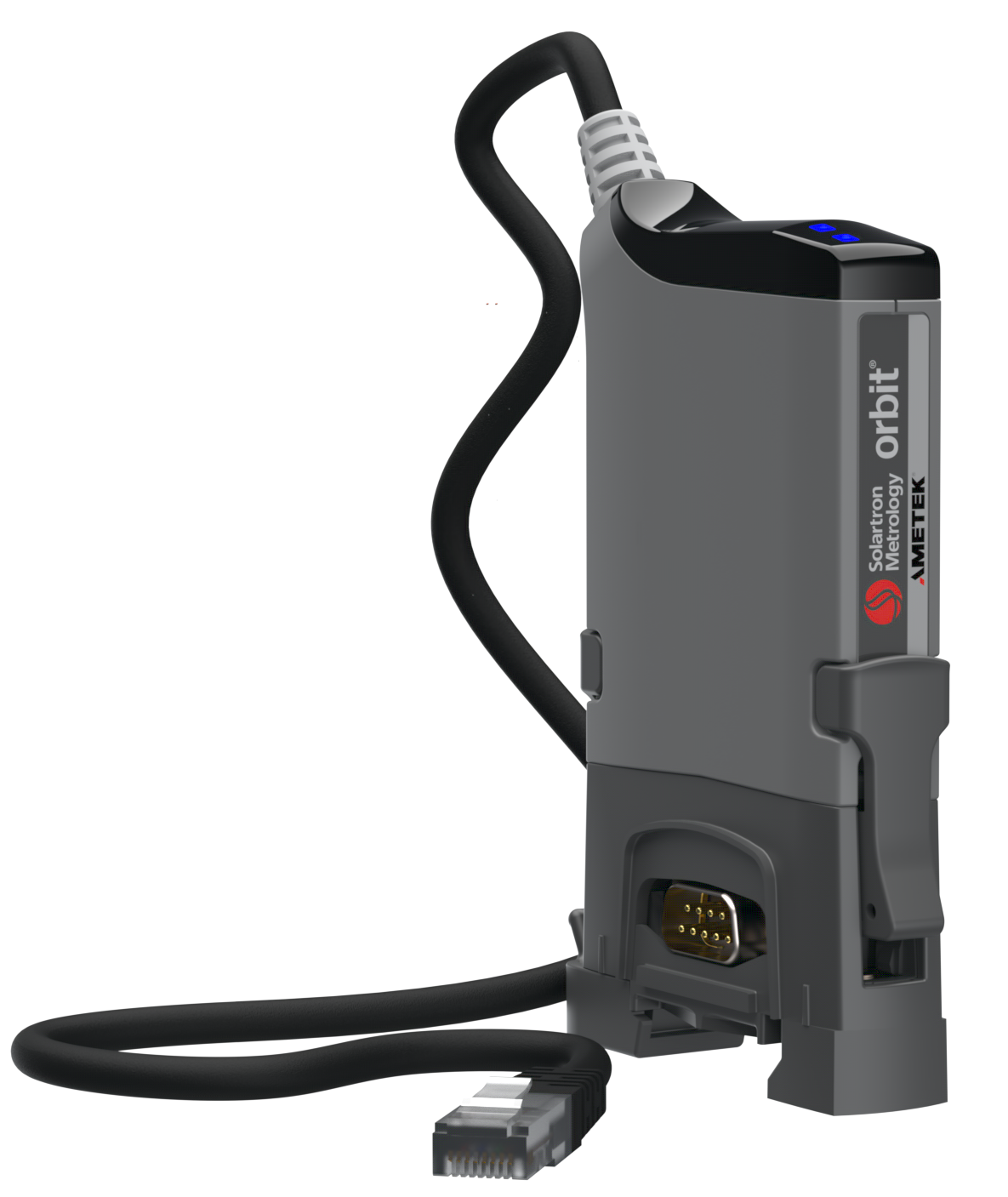
Connecting an Orbit Network of displacement sensors (gauging probes), I/O, 3rd party sensors like load cells and Air gauging to a PC is easy using one of the Interface Modules above. The Ethernet or USB controllers are the best option as they have full Orbit Network capability which includes high speed data capture.
All of these controllers work with Solartron’s Gauge Computer Software which performs basic measurement functions, includes user programmable equations, mastering and SPC.
|
|
|
|
|
|
-
Ethernet Interface
-
USB Interface
-
RS232 Interface
-
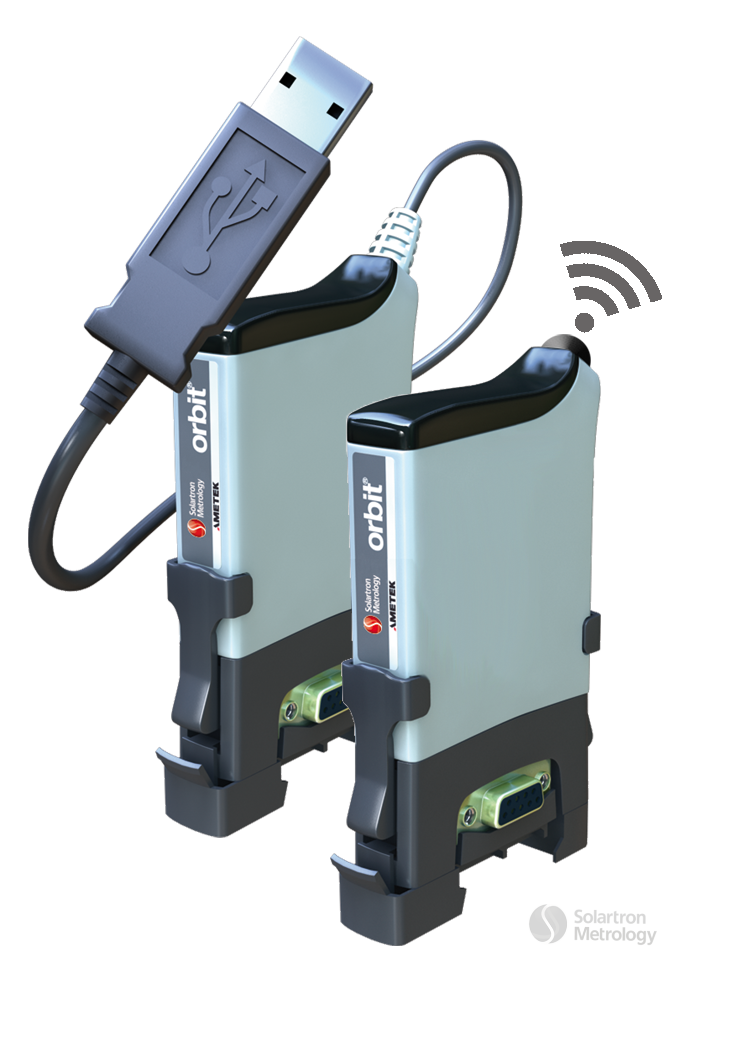
Wireless (Bluetooth)
|
|
|
|
Ethernet
-
ORBIT SPEEDS
-
Low Speed: 187.5 kb/S
-
High: 1.5 MB/s
-
Ultra High: 2.25 MB/s (Run Dynamic Modes at this rate)
READING MODES (Consult Orbit 3 Manuals for full details)
-
STATIC: Standard Measurement Mode where one module is queried at a time. Slower but simple to set up.
-
DYNAMIC: High Speed Synchronized readings for up to 31 modules.
-
DYNAMIC 2: High Speed Synchronized readings, for up to 200 modules. Use Ultra High Speed mode.
-
READBURST: One high speed synchronized reading of all modules on network.
-
BUFFERED: Mode where up to 3000 readings are stored in module, then extracted on command
-
DIFFERENCE MODE: Maximum and Minimum readings, along with difference are stored in module then extracted with command
|
|
|
 |
|
-
Connect up to 200 Orbit Modules
-
Dynamic Capability 3906 readings per module per second
-
Connect over networks and long distances
-
No issues with Ethernet connection
|
|
|
|
PLC Interface: ProfiNet® Module
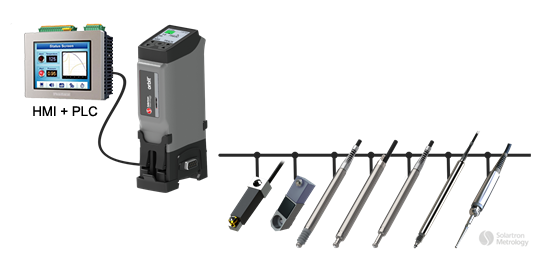
Connecting ProfiNet® PLC to LVDT type sensors is now easy. The ProfiNet® version of the PIM is a PLC compatible ProfiNet® to ORBIT®3 interface module, that enable easy connections between any ProfiNet® enabled controller and Solartron’s flexible ORBIT®3 digital measurement system allowing LVDT type sensors to connect to a PLC..
The PIM makes it simple to interface a wide range of contact and non-contact linear measurement sensors, rotary encoders, temperature and pressure sensors and discrete inputs and outputs via EtherCat™
This stand alone, Din Rail mounted module provides one port and one ORBIT®3 port which can power up to ten LVDT type displacement sensors or other sensors. This can be extended up to a maximum of 150 sensors with the use of supplementary power modules. The ProfiNet® protocol driver supports the Explicit and Cyclic Messaging implementation of the protocol as a server. The ProfiNet® port is a very powerful data transfer tool designed for easy connection to Siemens PLCs. Applications are found in many industries including manufacturing, automation and control, power generation and food processing.
Combining multiple sensors using the Orbit Digital Measurement network is easy and data can be read using a Solartron readout or the Gauge Computer Software making system integration simple.
Attention to detail in both design and manufacture of the displacement sensor ensures precision measurement throughout the linear displacement transducer's life.
Solartron Metrology offers a large range of displacement sensors to suit multiple applications with different cable outlets (radial or axial), multiple measuring ranges, different cable types like steel braided which provides additional protection for displacement sensors that are being used in harsh environments.
|
|
|
 |
|
-
Simple interface to any ProfiNet® enabled PLC
-
Conformance Tested
|
|
|
|
USB
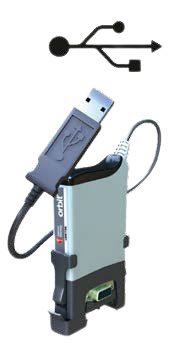
The USB controller can power up to 4 Orbit® Modules of most types. Some products require additional power supply modules
3906 Readings per second per sensor for up to 16 modules.
|
|
|
 |
|
-
Rugged plastic housing
-
Connect up to 4 sensors or modules
-
DIN rail mounting for easy installation
-
User friendly
|
|
|
|
|
|
|
|
|
|
|
|
|
|
Air Gauge to Orbit
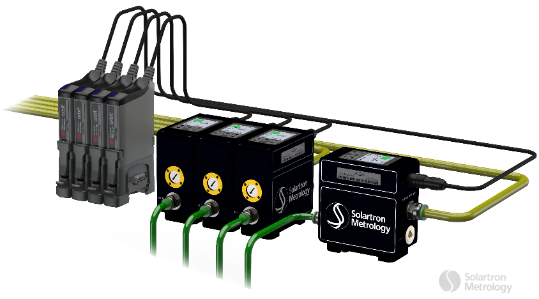
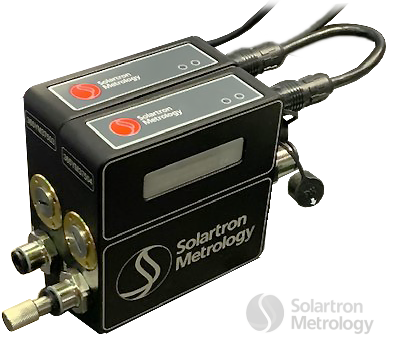
Solartron Metrology’s Orbit Air Gauge Interface Module (AGM) makes connecting air gauge Measurement Probes to Orbit simple, allowing the user to mix air gauges with all of our contact and non contact sensors to fully utilise the full performance of the Orbit Digital Measurement Network
Combining multiple sensors using the Orbit Digital Measurement network is easy and data can be read using a Solartron readout or the Gauge Computer Software making system integration simple.
Attention to detail in both design and manufacture of the displacement sensor ensures precision measurement throughout the linear displacement transducer's life.
Solartron Metrology offers a large range of displacement sensors to suit multiple applications with different cable outlets (radial or axial), multiple measuring ranges, different cable types like steel braided which provides additional protection for displacement sensors that are being used in harsh environments.
|
|
|
 |
|
-
Interfaces to most Air Gauge spindles, mandrels or bore heads
-
High stability Air to Orbit Converter
-
Resolution better than 0.1 µm
-
Pressure 30 psi
-
Simple set up and Mastering using Orbit or integral screen
|
|
|
|
|
|
|
|
|
|
|
|
|
|
Spring, Pneumatic Push and Vacuum Retract Probes
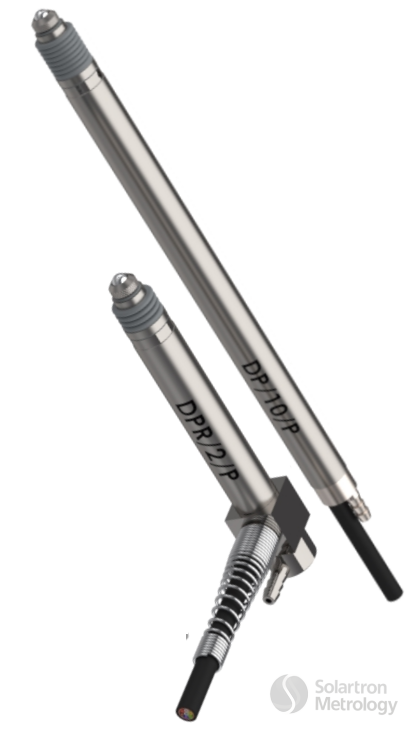
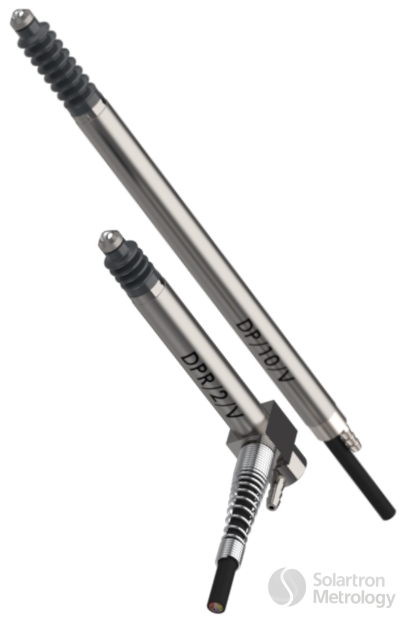
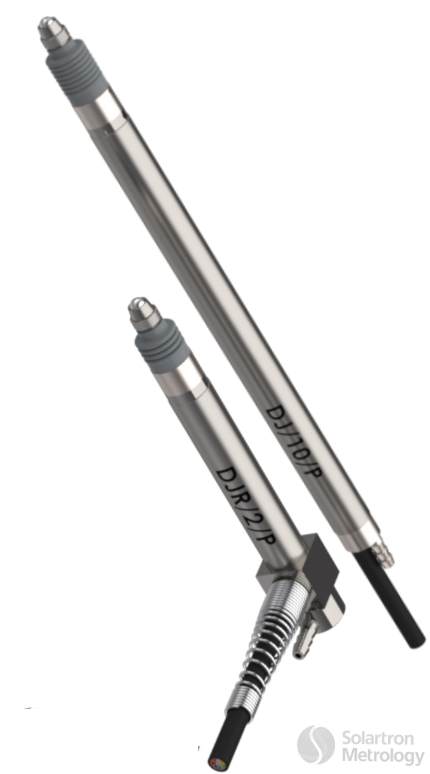
Contact gauge probes often provide the most cost effective solution for a wide range of measuring and positioning applications.
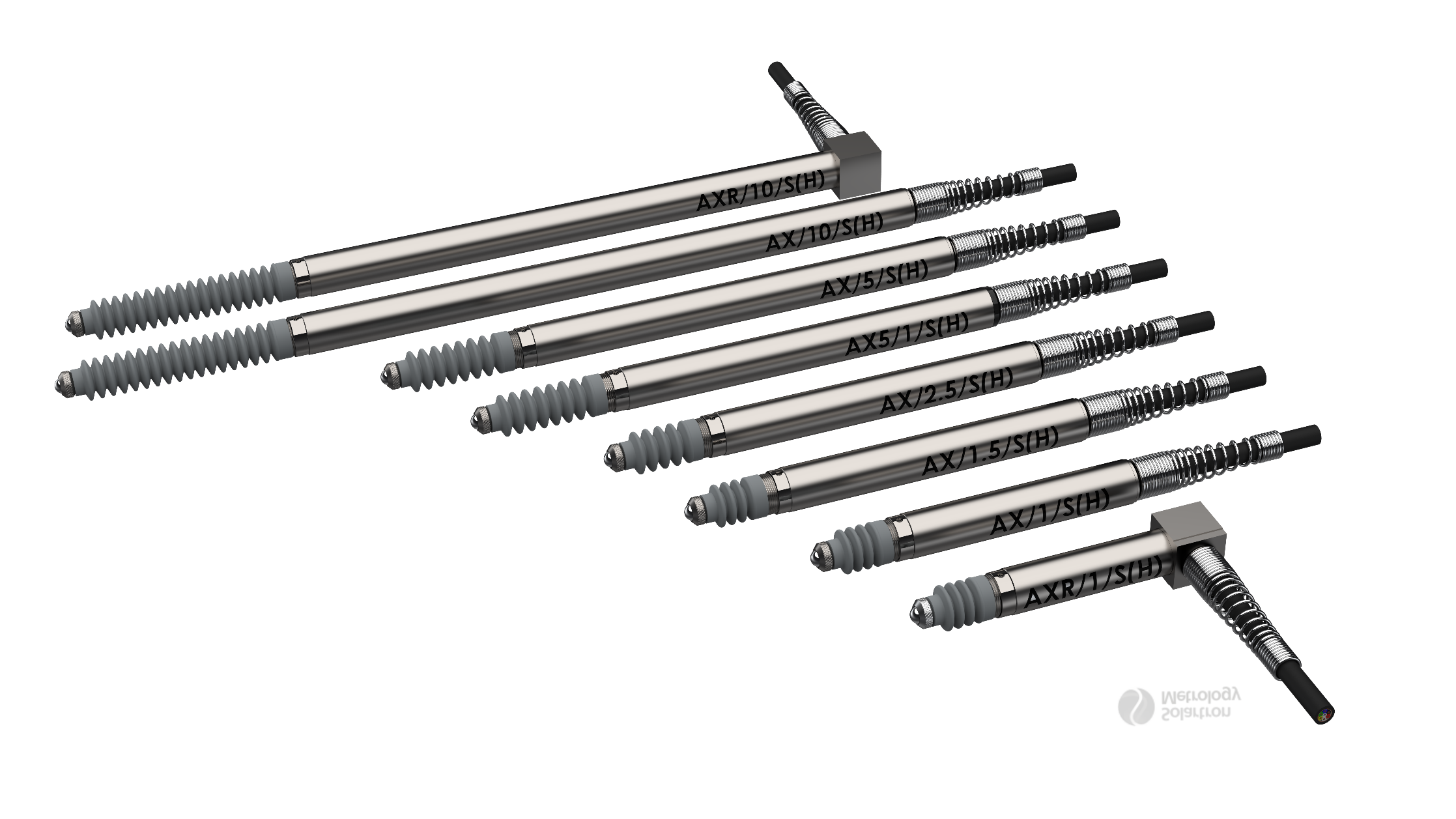
In a conventional pencil probe the tip is pushed out using an internal spring. When installed in a fixture it is frequently required to design a mechanism to bring the probe into contact with the part being measured.
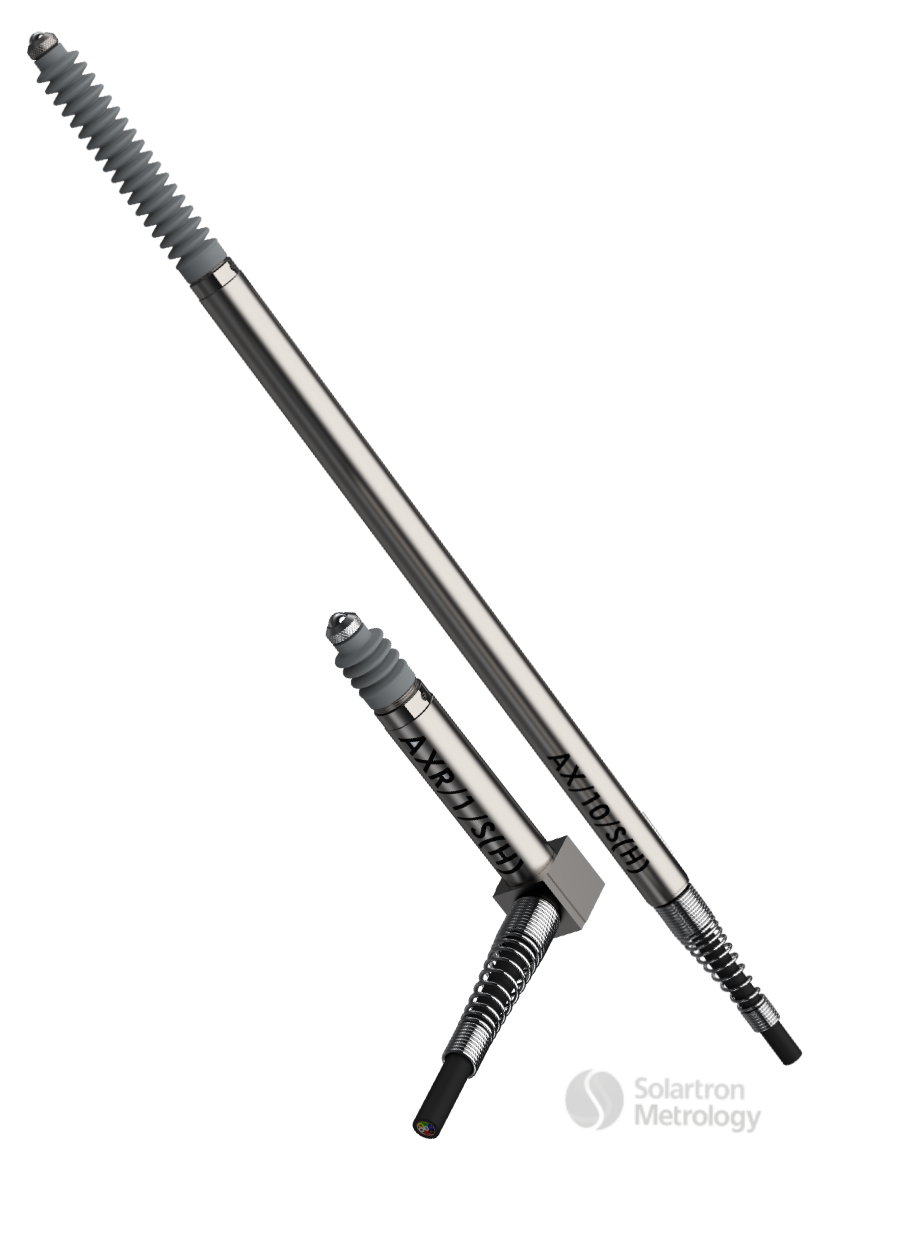
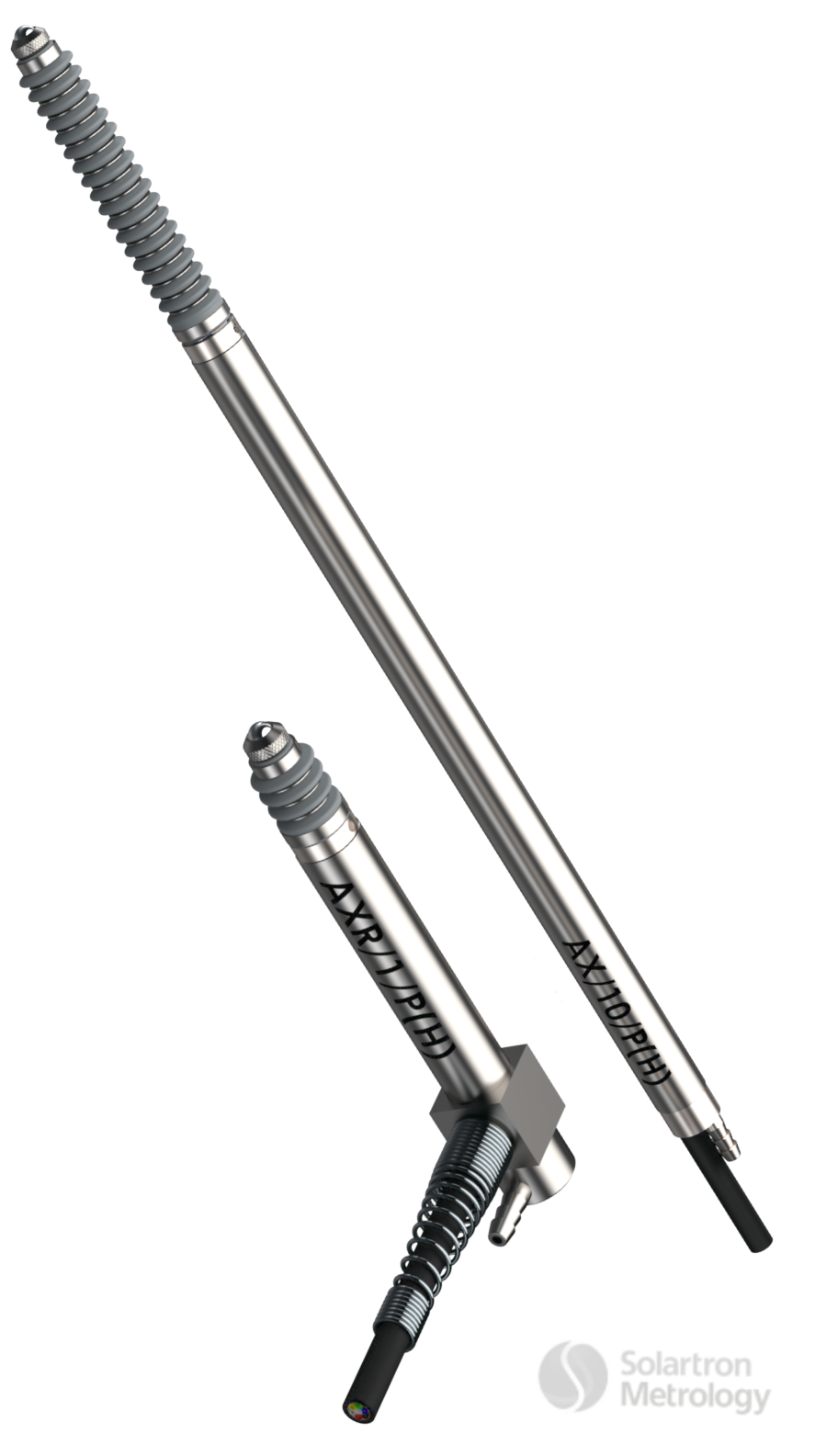
A pneumatic probe (either pneumatic push or vacuum retract) allows the number of parts in the fixture to be reduced resulting in improved reliability and reduced fixture cost. It also allows for fast automatic loading of the part into the gauge as the probe tip can be in the fully ‘retract position’ when this is occurring. Probes such as the AX/5/1 have a mechanical movement of 10 mm with a calibrated range of ±1 mm at the beginning of the movement.
|
|
|
 |
|
-
 Displacement transducer measuring ranges ±0.25, ± 0.5, ± 1, ± 1.5, ± 2,5, ± 5, ± 10 mm Displacement transducer measuring ranges ±0.25, ± 0.5, ± 1, ± 1.5, ± 2,5, ± 5, ± 10 mm
-
Linearity better than 0.5% of measurement
-
Repeatability precision better than 0.05 µm
-
Range of contact sensor tips for different applications
-
Spring actuation
-
Standard contact sensor tip force of 0.7 N (options available)
-
IP65 sealing (fully sealed options available)
-
Inductive sensors with excellent side load capability
-
Linear Variable Differential Transformer (LVDT) or Half Bridge options
|
|
|
 |
|
-
± 1, ± 2,5, ± 5, ± 10 mm displacement transducer measuring ranges
-
Linearity better than 0.5% of precision measurement
-
Repeatability precision better than 0.05 µm
-
Range of contact sensor tips available
-
Pneumatic actuation
-
Standard contact sensor tip force of 0.7N (options available)
-
IP65 sealing (fully sealed options available)
-
Inductive sensors with excellent sideload capability
-
Linear Variable Differential Transformer (LVDT) or Half Bridge options
-
Displacement sensors available with vacuum retract
|
|
|
 |
|
-
± 1, ± 2,5, ± 5, ± 10 mm displacement transducer measuring ranges
-
Linearity better than 0.5% of precision measurement
-
Repeatability precision better than 0.05 µm
-
Range of contact sensor tips available
-
Pneumatic actuation using piston - still operates if gaiter damaged
-
Standard contact sensor tip force of 0.7N (options available)
-
IP50 sealing (fully sealed options available)
-
Inductive sensors with excellent sideload capability
-
Linear Variable Differential Transformer (LVDT) or Half Bridge options
|
|
|
|
|
|
|