

































































 |
Bolt Fastening |
|
What Is Clamping Force?
Clamping force is the compressive load generated when a bolt or fastener is tightened—pulling joint members together. It’s not just the torque applied to the bolt that matters, but the resulting preload that holds everything in place. This force is what keeps structures, machines, and critical assemblies—from automotive frames to turbine blades—secure under dynamic service conditions. |
|
Why Measuring Clamping Force Matters
While torque is the most common method to tighten a fastener, it's not always reliable. That’s because friction under the bolt head and in the threads can absorb up to 90% of the applied torque, meaning only a fraction actually becomes clamping force. The result? Two bolts tightened with the same torque can produce drastically different preload values. Directly measuring clamping force using a load cell helps you:
|
|
How Load Cells Improve Fastener Testing
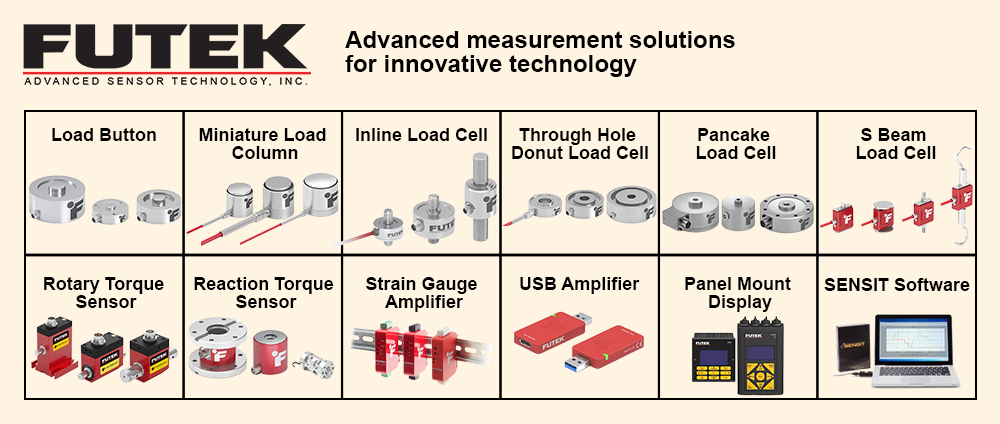
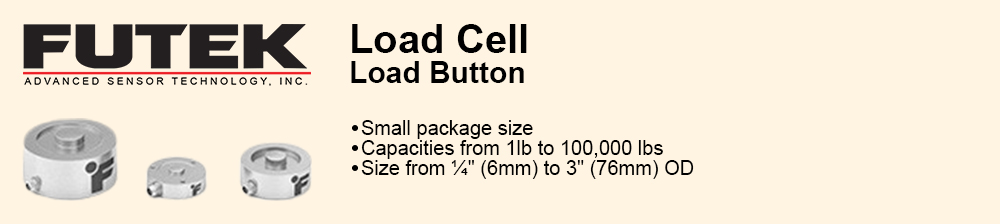
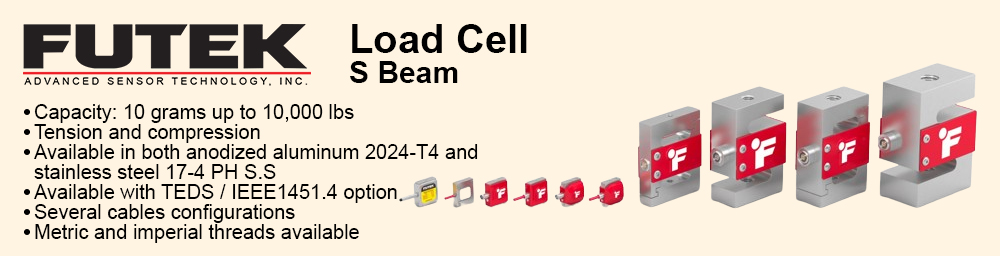
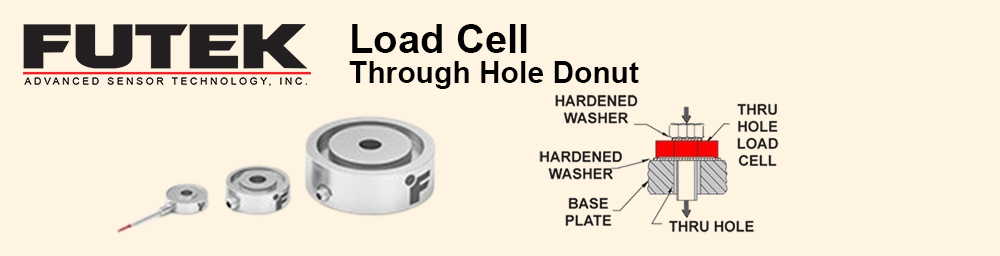
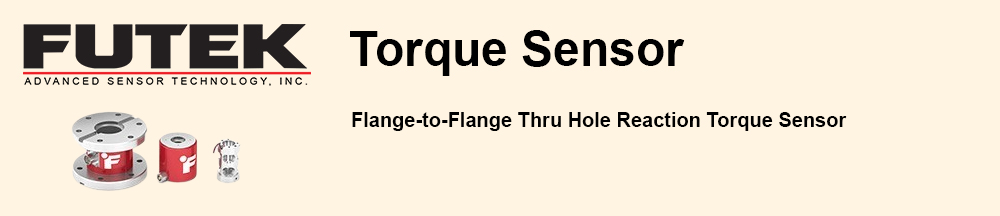
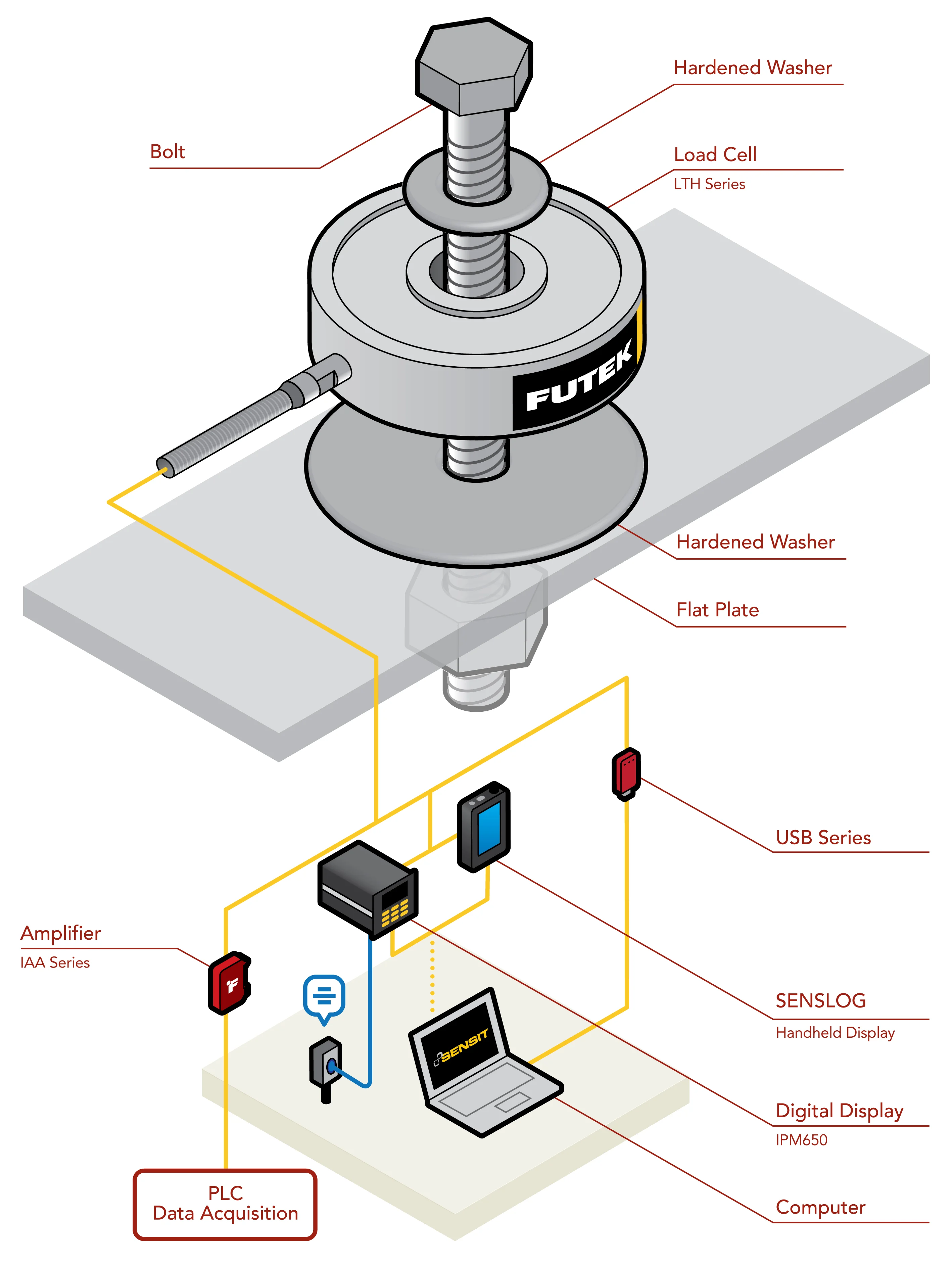
To accurately capture clamping force, engineers use thru-hole (donut-style) load cells like FUTEK’s LTH Series, placed directly under the bolt head. Here's what makes this method reliable: Direct Force Measurement Unlike torque tools that infer force, load cells measure axial load in real-time—the actual clamping force applied to the joint. Designed for Precision FUTEK’s LTH Series features:
Calibration Confidence Each load cell is calibrated in FUTEK’s A2LA-accredited lab, ensuring traceable, high-accuracy performance. This is critical for repeatable data collection and standard compliance. This solution is ideal for torque tool calibration and certification, joint design validation through torque versus preload correlation studies, and fastener research and development (R&D) as well as quality assurance processes. |
|
The Role of Friction in Torque Application
Friction significantly affects torque application, often absorbing up to 90% of the applied energy through threads and underhead surfaces. This makes torque an unreliable indicator of true clamping force. FUTEK’s donut load cells address this by directly measuring axial force, bypassing friction-related inaccuracies. This setup delivers precise, repeatable measurements—ideal for torque tool calibration, preload validation, and fastener quality assurance. It enables engineers to ensure joint integrity with greater accuracy and confidence. |
|
Application Spotlight: Clamping Force in Die Casting
While clamping force measurement is critical across many bolted joint applications, it’s equally essential in metal die-casting operations, where consistent mold clamping plays a pivotal role in process safety and product quality. Why is it important to measure the clamping force in metal die-casting applications? Die casting clamping force refers to the force applied to a mold by the clamping unit of the die-casting machine. Using load cells to monitor this force is critical for three key reasons:
|
 |
|
How It Works
|
|
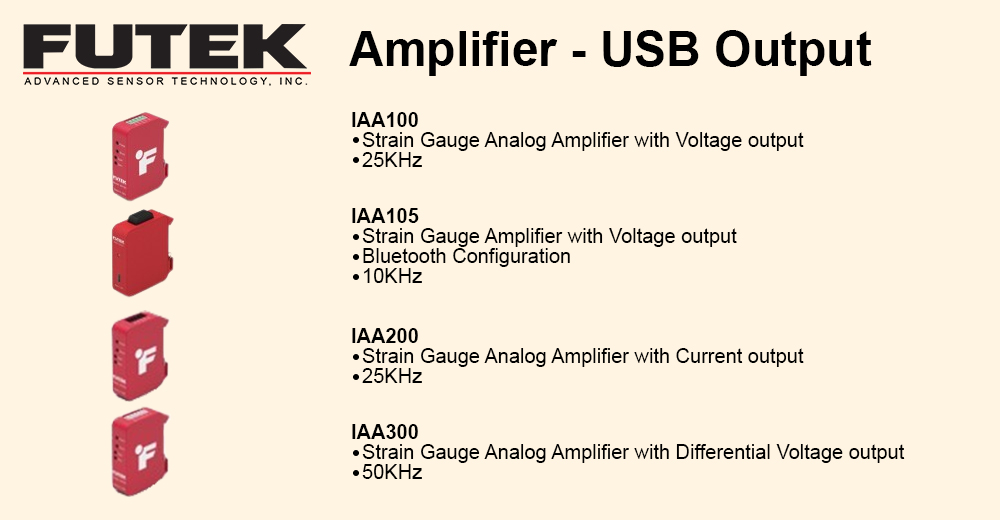
Products in Use
|
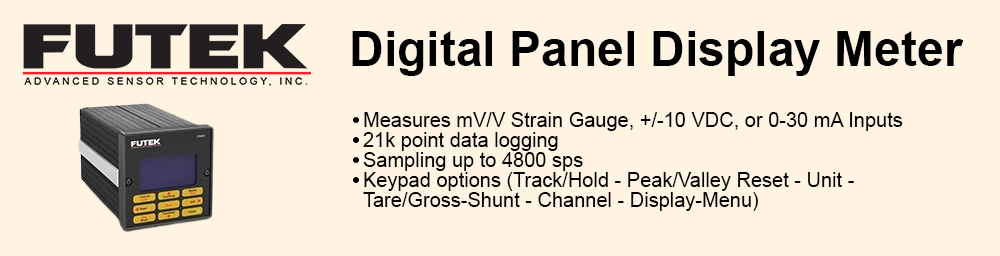
 IPM 650
Panel Mount Display 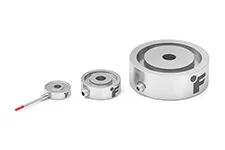 LTH Series
Donut/Through Hole Load Washer Load Cell 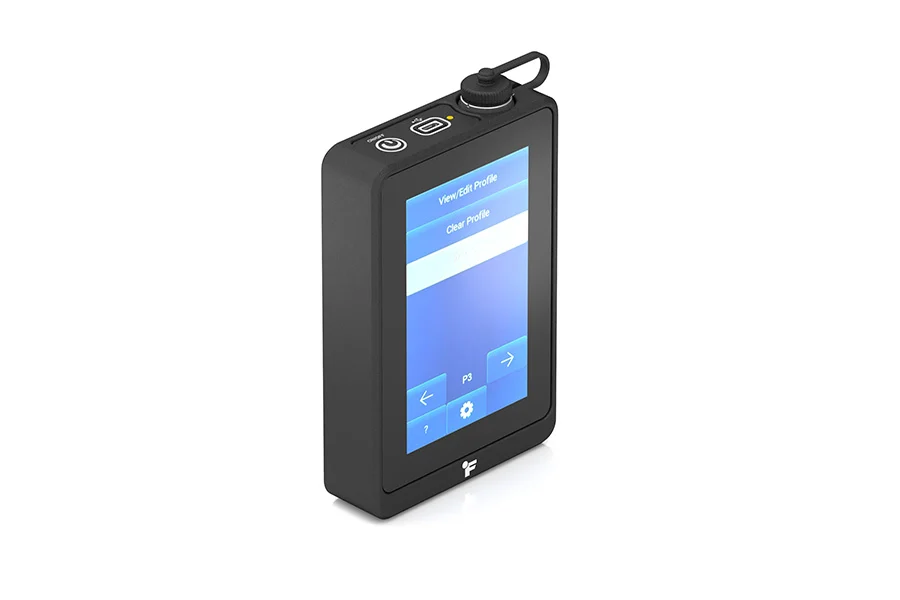 IHH 505
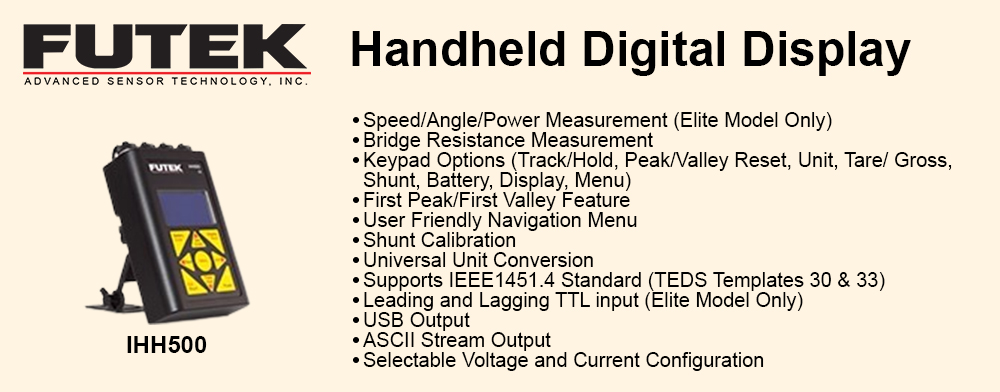
Intelligent Handheld Display |